Wondering if an Englewood rental property is a smart buy before you commit your cash? That is the right question to ask, especially in a market where rent levels, zoning rules, and property type can change the math fast. If you are thinking about buying a long-term rental, house-hack setup, or small multifamily property in Englewood, understanding the city’s rules and demand drivers can help you make a more confident decision. Let’s dive in.
Englewood Rental Market Basics
Englewood is a compact inner-ring suburb with a fairly balanced housing mix. The city had an estimated population of 35,238 in 2024 and 16,308 households, with 47.7% of housing units owner-occupied based on recent Census data. That near-even owner and renter split matters because it points to an established rental market rather than a city made up almost entirely of homeowners.
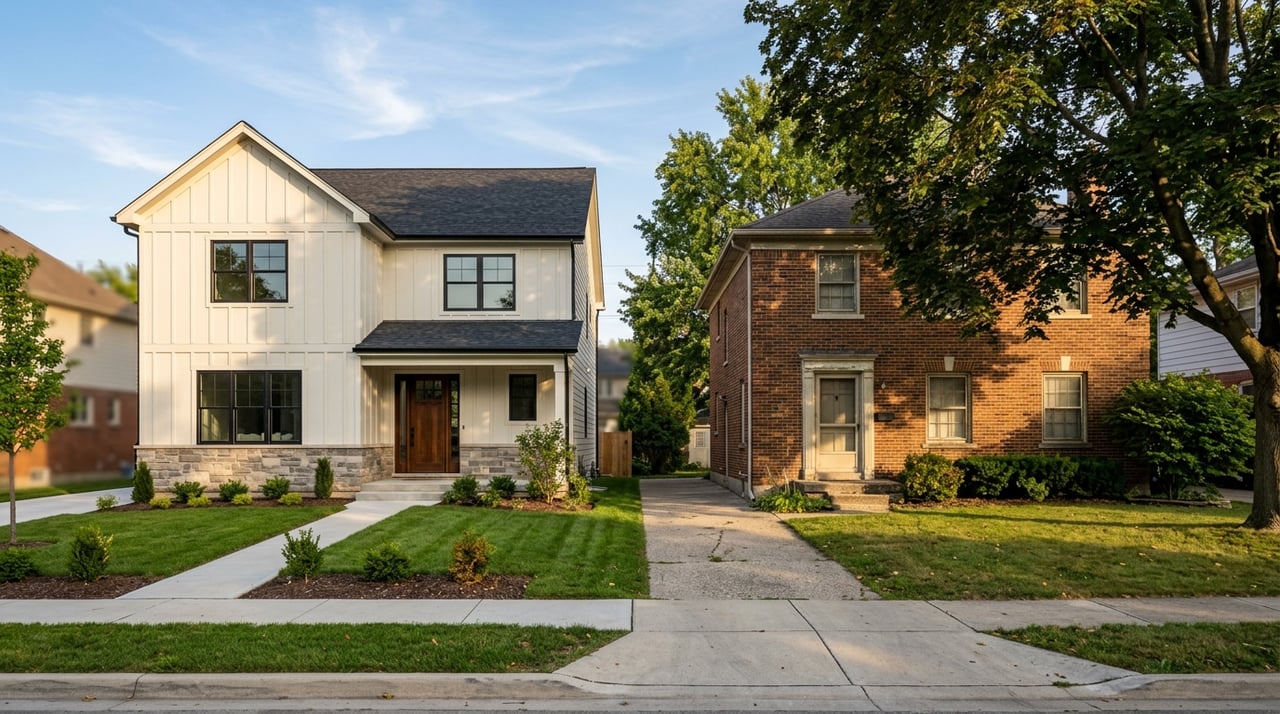
The housing stock is also varied. City data shows Englewood is made up of a mix of single-family homes, attached housing, multifamily properties, and a small share of mobile homes. For you as a buyer, that means the opportunity set is broader than just detached houses.
Rent Levels to Understand
Rent numbers in Englewood show a clear spread by unit type. As of June 2, 2026, average apartment rent was $1,872, with studios at $1,524, one-bedrooms at $1,611, two-bedrooms at $2,084, and three-bedrooms at $2,792. The largest share of rentals sits in the $1,501 to $2,000 range.
That pricing matters because Englewood’s own housing materials show affordability pressure is real. The city says about half of renters spend more than 30% of their income on housing, and nearly one in four spend more than half. In plain terms, renters may be very sensitive to monthly cost, so your best-performing property is not always the one with the highest possible asking rent.
Why Mid-Priced Rentals Matter
For many buyers, the most practical rental strategy in Englewood may be a well-kept property that fits common household budgets. Smaller apartments, modest townhomes, and detached homes with functional layouts may line up better with local demand than a unit that stretches the renter pool too far on price. That does not guarantee performance, but it is a reasonable takeaway from the city’s affordability data and current rent bands.
If you are underwriting a deal, pay close attention to the gap between projected rent and the likely renter pool for that unit size. A two-bedroom at a premium price may pencil differently than a clean one-bedroom in a more approachable range. Matching the property to the right renter profile is a big part of reducing vacancy risk.
Zoning Comes First
Before you get too far into analyzing rent, verify what the property is actually allowed to do. Englewood zoning is governed by the city’s Unified Development Code, and the zoning map is the tool that identifies permitted land uses by parcel. The city also notes that CodeNext updated development standards in 2023 but did not rezone properties across the city.
Residential and mixed-residential districts you may come across include R-1-A, R-1-B, R-1-C, R-2-A, R-2-B, MU-R-3-A, MU-R-3-B, and MU-R-3-C. The city’s official zoning map also identifies overlay areas, including the Englewood Transit Station Area overlay, plus neighborhood-preservation and medical overlays. Those overlays can affect what you can do with a property, so do not assume the base zoning tells the whole story.
What to Verify Before Closing
Before you remove contingencies, confirm these items with the city:
- The parcel’s zoning district
- Any overlay district affecting the parcel
- Allowed use for your intended rental strategy
- Parking requirements
- ADU rules
- Setbacks and permit review requirements
This step is especially important if you are buying an older home, a mixed-use area property, or anything near a transit corridor.
ADUs Can Change the Opportunity
Accessory dwelling units are part of Englewood’s housing toolkit, and they can create added flexibility for the right property. CodeNext materials say ADUs are allowed in the residential and mixed-residential districts listed above. The city also says certain detached-house parcels may qualify for up to three ADUs depending on lot area and ADU type.
That does not mean every house can support extra units. The final answer depends on the lot, zoning, setbacks, and permit review. Still, if you are evaluating a detached property, ADU potential is worth checking because it can affect both value and long-term use options.
Short-Term Rental Rules Are Different
If part of your plan involves short-term rentals, slow down and verify the rules first. In Englewood residential zone districts, short-term rental operators must be the primary resident of the property and live there at least 185 days per year. The city also requires the appropriate short-term rental licensing.
For many absentee owners, that means a short-term rental model is not the same as a standard long-term rental strategy. If you are buying strictly as a non-owner-occupied investment, long-term leasing is usually the clearer lane to evaluate.
Property Types Worth Considering
Englewood offers several property types that may fit different goals, budgets, and management styles. The right fit depends on how hands-on you want to be and what type of renter you expect to attract.
Single-Family Homes
Single-family rentals can work well when the layout is functional, parking is workable, and maintenance demands are manageable. Because much of Englewood’s housing stock is older, you will want to budget carefully for systems, exterior upkeep, and future reserves. A home that looks attractive at first glance can become expensive if deferred maintenance is hiding in the background.
Townhomes and Attached Homes
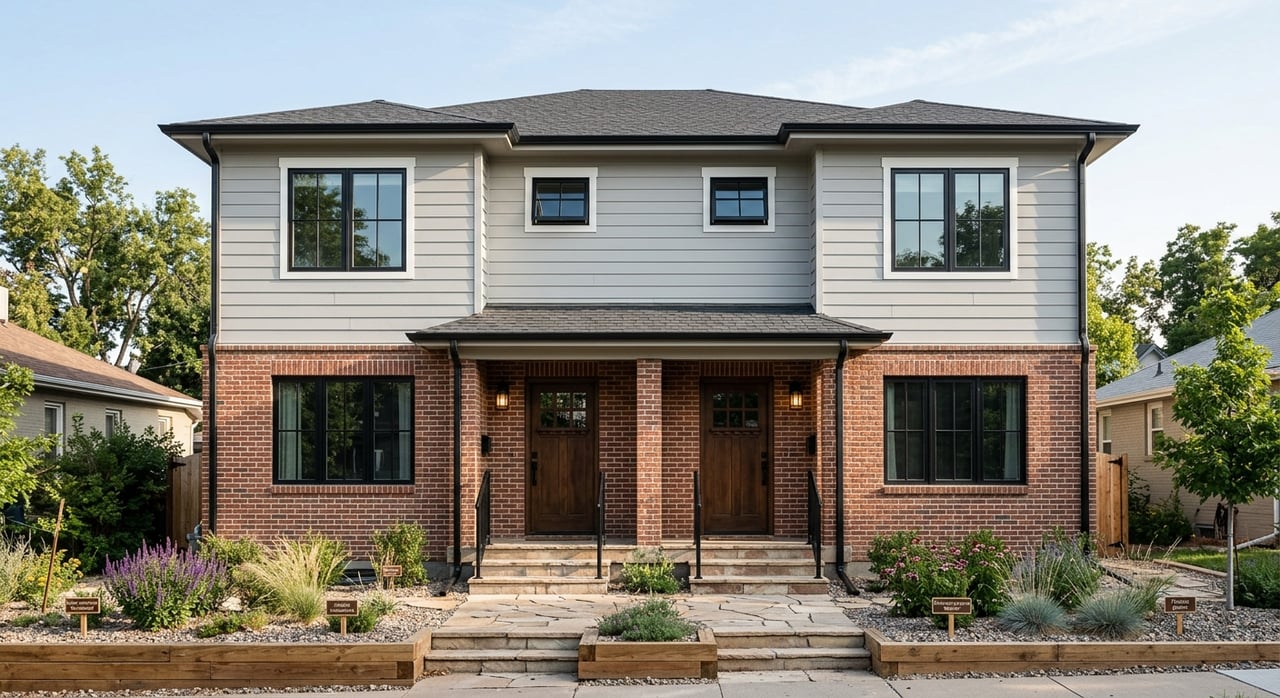
Townhomes and attached homes can appeal to renters looking for lower-maintenance living. They may also fit well in areas with good access to transit and job centers. In many cases, this property type can offer a middle ground between a detached house and a larger multifamily purchase.
Small Multifamily Properties
Small multifamily can be appealing if you want more than one income stream under a single roof. In Englewood, these properties may benefit from steady renter demand, but you still need to verify parking, building condition, and any overlay district constraints. A solid rent roll only tells part of the story if the building needs major updates.
Demand Drivers to Watch
Location matters in every rental market, but in Englewood a few demand drivers stand out. Transit, medical employment, and office activity all help shape where rental demand may be strongest. When a property combines more than one of these factors, it may have a stronger day-to-day convenience story for tenants.
Transit Access
RTD says Englewood Station at 899 W Floyd Ave serves the D Line and five bus routes, with 910 parking spaces. The city also points to its Civic Center location next to a light rail station at Hampden and Santa Fe. In addition, the city is building a 2.5-mile rail trail along the Southwest Rail Corridor to improve bike and pedestrian access to the station area.
For you, that means transit-oriented locations deserve a closer look. Easy access to light rail and bus service can broaden the potential tenant pool, especially for smaller units and lower-maintenance property types.
Medical Employers
Englewood’s medical cluster is another major factor. The city identifies Swedish Medical Center as its largest employer and also lists Craig Hospital and Kaiser Permanente in town. The free trolley that connects CityCenter, downtown Englewood, and medical facilities adds another layer of convenience in this part of the city.
Properties with practical access to these employers may benefit from steady interest from renters who value commute simplicity. That does not guarantee lower vacancy, but it can strengthen the location case when you are comparing options.
Office and Mixed-Use Nodes
The city’s 2nd Quarter 2025 commercial real estate report showed office vacancy at 7.6% in Englewood, compared with 18.1% for the Denver metro area and 16.8% for Arapahoe County. While office data is not the same as residential demand, it does suggest a comparatively stronger local office environment. That can support demand for nearby housing.
CityCenter also stands out as a transit-oriented redevelopment area with residential, retail, office, hotel, and civic uses. If you are evaluating a rental near this area, it is worth considering how daily convenience and access to services may support tenant appeal.
Vacancy and Affordability Context
A city Energy Action Plan lists Englewood’s overall housing vacancy rate at 6.6%. That figure is not the same as rental-only vacancy, but it does offer general market context. It also supports the idea that Englewood is not a market where you should ignore competition or assume every unit will lease instantly.
At the same time, the city’s housing plan points to a supply gap of more than 2,000 rental units for households below 50% of area median income. Combined with the city’s affordability data, that suggests unmet demand is strongest in lower-priced tiers. For a buyer, the lesson is simple: be realistic about the rent your property can support and the renter budget it needs to match.
A Smart Due Diligence Checklist
Before buying a rental in Englewood, it helps to review the property from both a market and city-compliance perspective.
- Confirm zoning and overlay status
- Verify whether your intended use is long-term, mid-term, or short-term
- Check ADU eligibility if the lot and zoning suggest potential
- Review parking requirements and site constraints
- Ask about permit needs for planned improvements
- Review flood-hazard status if the property is near drainage corridors or flood-prone areas
- Budget for inspections, repairs, and reserves, especially with older housing stock
- Stress-test rents against local unit-size pricing and affordability conditions
If you are buying from out of the area or juggling a move at the same time, having a local guide can make this process much easier. Small details like overlays, parking rules, and older property condition can have a big effect on long-term results.
Final Thoughts on Buying Rentals in Englewood
Buying a rental in Englewood can make sense if you stay grounded in the city’s actual market conditions. The strongest opportunities are often properties with practical layouts, manageable upkeep, and access to transit, medical employers, or established mixed-use corridors. Just as important, your due diligence should go beyond rent estimates and include zoning, overlays, parking, ADU rules, and the real condition of the property.
If you want a steady, informed approach to evaluating rentals in Englewood, local guidance matters. Derek Rinetti can help you sort through the options, understand the tradeoffs, and make a decision that fits your goals.
FAQs
What should you check before buying a rental property in Englewood?
- You should confirm zoning, overlay status, allowed use, parking rules, ADU potential, flood-hazard considerations, and the property’s actual condition before closing.
Are short-term rentals allowed for investment properties in Englewood?
- In residential zone districts, the city says short-term rental operators must be the primary resident and live there at least 185 days per year, so that model is usually not the same as a standard absentee-owner investment.
What types of rental properties are common in Englewood?
- Englewood has a mix of single-family homes, attached housing, and multifamily properties, which gives buyers options across several rental strategies.
What rent levels should buyers know in Englewood?
- As of June 2, 2026, average apartment rent was $1,872, with studios at $1,524, one-bedrooms at $1,611, two-bedrooms at $2,084, and three-bedrooms at $2,792.
Why does transit matter when buying rentals in Englewood?
- Transit matters because Englewood Station serves the D Line and five bus routes, and properties with easier access to rail, bus service, and walkable daily needs may appeal to a wider tenant pool.
Can ADUs add value to an Englewood rental purchase?
- They can add flexibility on some properties because the city allows ADUs in several residential and mixed-residential districts, but eligibility depends on the lot, zoning, setbacks, and permit review.