Wondering whether Downtown Littleton is just a fun place to visit or a place you could truly call home? If you are looking for a neighborhood with historic character, a walkable core, and a mix of low-maintenance housing options, this part of Littleton deserves a closer look. Below, you will find a practical guide to what daily life is really like in Downtown Littleton, from getting around to housing, dining, events, and the overall feel of the area. Let’s dive in.
What defines Downtown Littleton
Downtown Littleton is the historic commercial heart of Littleton, centered on Main Street and the surrounding blocks. Local sources describe it as a historic district with small-town charm, sidewalk seating, historic storefronts, and strong pedestrian activity.
The city’s planning framework classifies the Main Street core as an urban downtown main street area. In plain terms, that means storefronts close to the sidewalk, active street life, and a setting designed to support walking between shops, restaurants, and public spaces.
Downtown also has both local and national historic district designations. That historic identity shows up not only in the architecture, but also in the way the area is experienced day to day.
Everyday life feels walkable
One of the biggest questions buyers ask is whether Downtown Littleton is walkable for daily life or only for special occasions. The answer is that it supports both.
Official local sources describe the historic downtown area as pedestrian friendly and easy to navigate on foot, by bike, by rail, or by car. The area also connects to bike lanes, bike racks, and trail systems including the South Platte River Trail, Lee Gulch, and the Mary Carter Greenway Trail.
For many people, that means you can handle a casual coffee run, dinner plans, or a quick errand without getting in the car every time. A rental market guide also notes a supermarket within a 10-minute walk, along with bikeability rated at 80 out of 100 and transit at 60 out of 100.
That said, downtown living still comes with tradeoffs. Walkability here is stronger than in many suburban areas, but it is not the same as living in the center of a large city with everything at your door.
Transit and commuting options
If you commute or like having options, Downtown Littleton has a solid transportation setup. The RTD Littleton/Downtown Station at 5777 S Prince St serves the D Line along with bus routes 30, 36, 59, and 66 plus FlexRide SJFX.
That station helps connect residents to other parts of Littleton, Denver, and even Denver International Airport. For buyers who want a little more flexibility in how they get around, that can be a meaningful advantage.
Parking is part of the picture too. The station has 361 parking spaces, and the city’s downtown planning work notes that most downtown areas offer on-street parking free for up to two hours, with capacity generally available within one block of any point in the study area.
On busy event days, though, it helps to plan ahead. Downtown is active, and the same public spaces that make it appealing can also mean more competition for convenient parking during festivals or seasonal events.
A district that is still improving
Another good sign for buyers is that Downtown Littleton is not standing still. City planning efforts and downtown management priorities continue to focus on multimodal connections, pedestrian safety, wayfinding, lighting, trees, and wider sidewalks.
The city’s Safer Streets program has already added three raised pedestrian crossings in downtown. The Downtown Development Authority has also emphasized priorities such as keeping the district clean and safe, beautiful and welcoming, well-connected, and easier to navigate from a parking standpoint.
For you as a buyer or future seller, that matters. It suggests ongoing investment in the downtown experience, not just a reliance on historic charm alone.
Dining and shopping with real daily-use value
Downtown Littleton has the kind of business mix that supports everyday living, not just occasional entertainment. The official downtown directory lists 30 restaurants and bars and 41 shopping businesses.
That is a useful detail because it shows a broad mix rather than a one-note nightlife district. You will find coffee, tea, sweets, sit-down dining, casual drinks, boutiques, books, antiques, gifts, jewelry, specialty stores, art, and service businesses.
A few dining examples include Cafe Terracotta, ViewHouse, The Alley, Cencalli Taqueria, Jake’s Brew Bar, Denver Beer Co., The Melting Pot, iN-TEA, Black+Haus Tavern, and The Lazy Greyhound. The range makes it easier to picture both a quick weekday stop and a more planned evening out.
Retail examples include Ruby Jane Boutique, Spell Books, Records on Main, Savory Spice Shop, Lollygag Antiques & Boutique, Antiquaria, SweetFire Boutique, Uptown & Country Boutique, and PlayForge. For buyers who want a neighborhood that feels active and useful, that mix adds to downtown’s appeal.
Arts, events, and community rhythm
What often gives Downtown Littleton its small-town feel is not just the architecture. It is the steady rhythm of events and public gathering spaces.
Town Hall Arts Center is one of the major lifestyle anchors in the area. It is an intimate downtown theater with professional productions, and its location near dining and shopping makes it easy to build a full evening around a show.
The broader event calendar is active throughout the year. Local sources note free outdoor concerts, craft fairs, art and history tours, stage plays, symphony performances, bike races, nature hikes, and Main Street parades.
Recurring examples include the Downtown Littleton Block Party, Candlelight Walk, final-Friday Wine Walks from May through September, the Littleton is For Locavores Earth Day event, and the Downtown Farmers Market on summer Sunday mornings. These events help explain why downtown often feels lively without feeling overly polished or artificial.
Historic character is part of the lifestyle
Downtown Littleton’s historic identity is one of its biggest draws. The city’s self-guided Historic Walking Tour features 16 historic buildings and begins and ends at the Downtown Littleton light rail station.
That matters if you are choosing a home based on feel as much as floor plan. The area’s appeal comes from the way history, storefront design, and public streets work together to create a place that feels distinct from newer suburban centers.
For many buyers, especially downsizers or lifestyle-focused movers, that sense of place can be just as important as square footage. You are not only choosing a home. You are choosing how your daily routine feels.
What housing looks like downtown
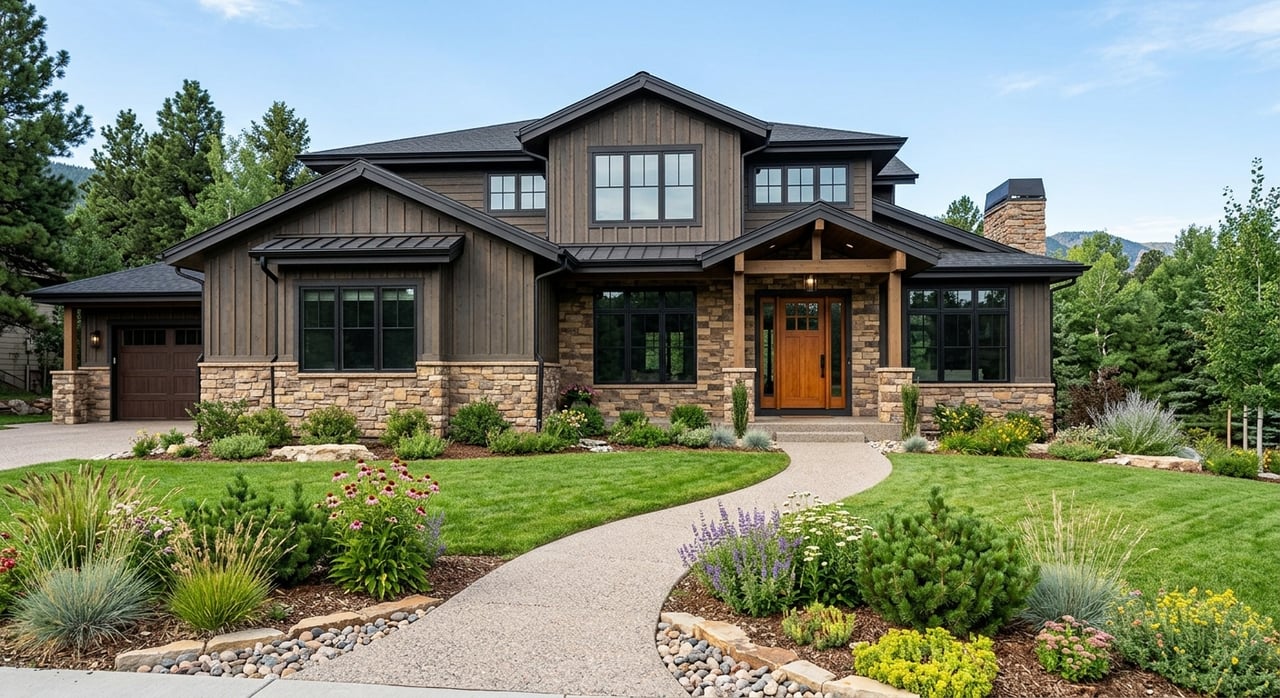
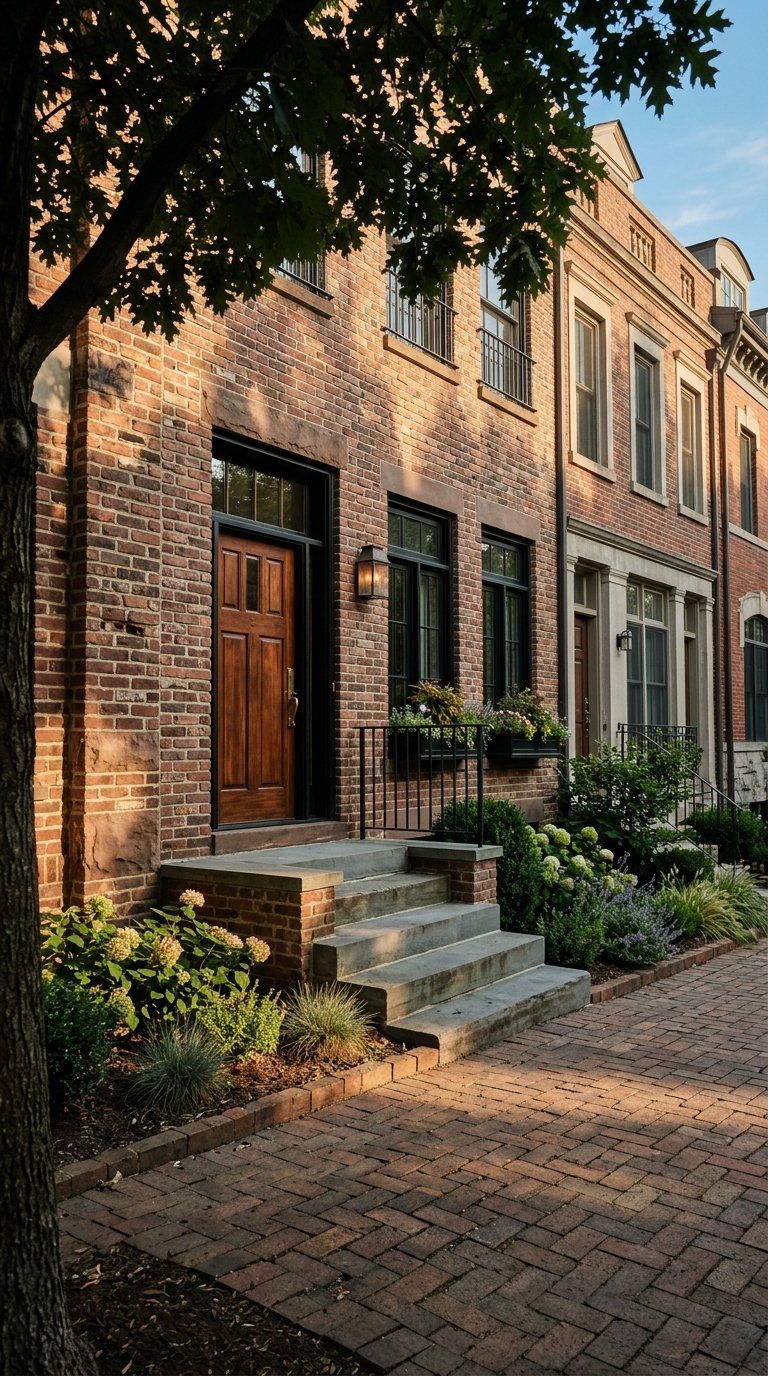
If you are picturing a traditional suburban neighborhood with large lots and wide setbacks, Downtown Littleton is different. The city’s comprehensive plan points to a wider range of housing forms, including mixed-use buildings, homes above commercial space, detached homes on relatively small lots, and attached options such as townhomes, brownstones, apartments, and condos.
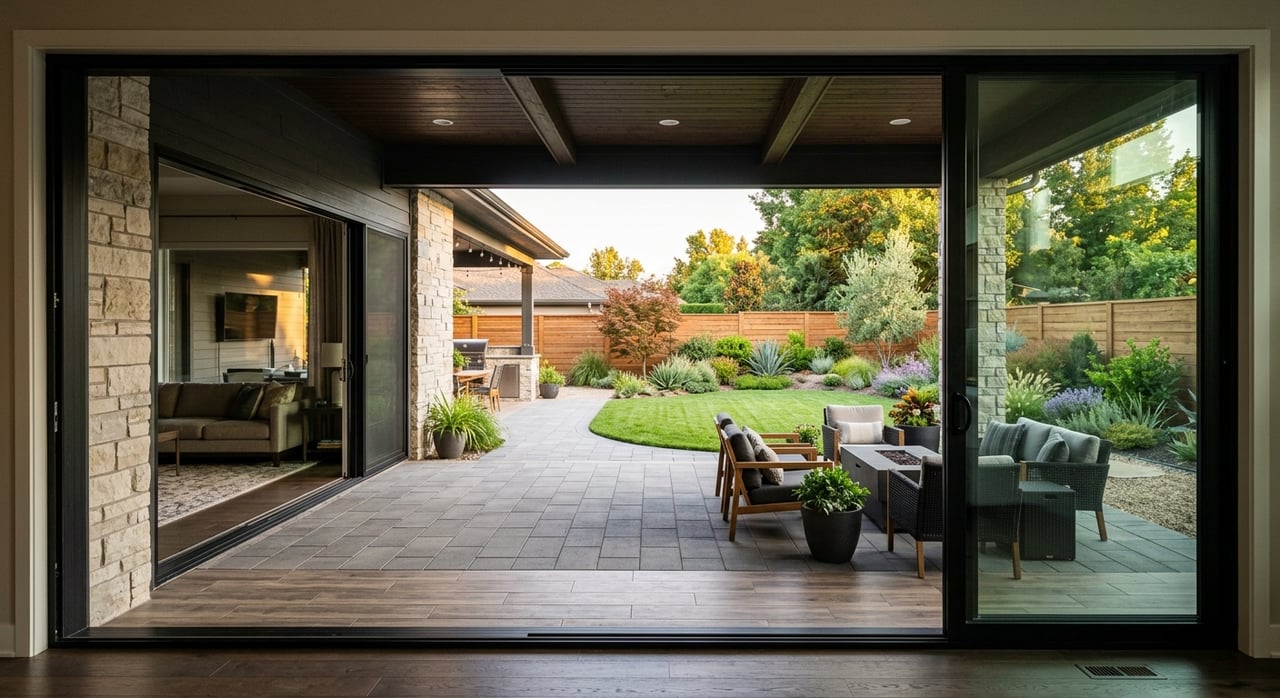
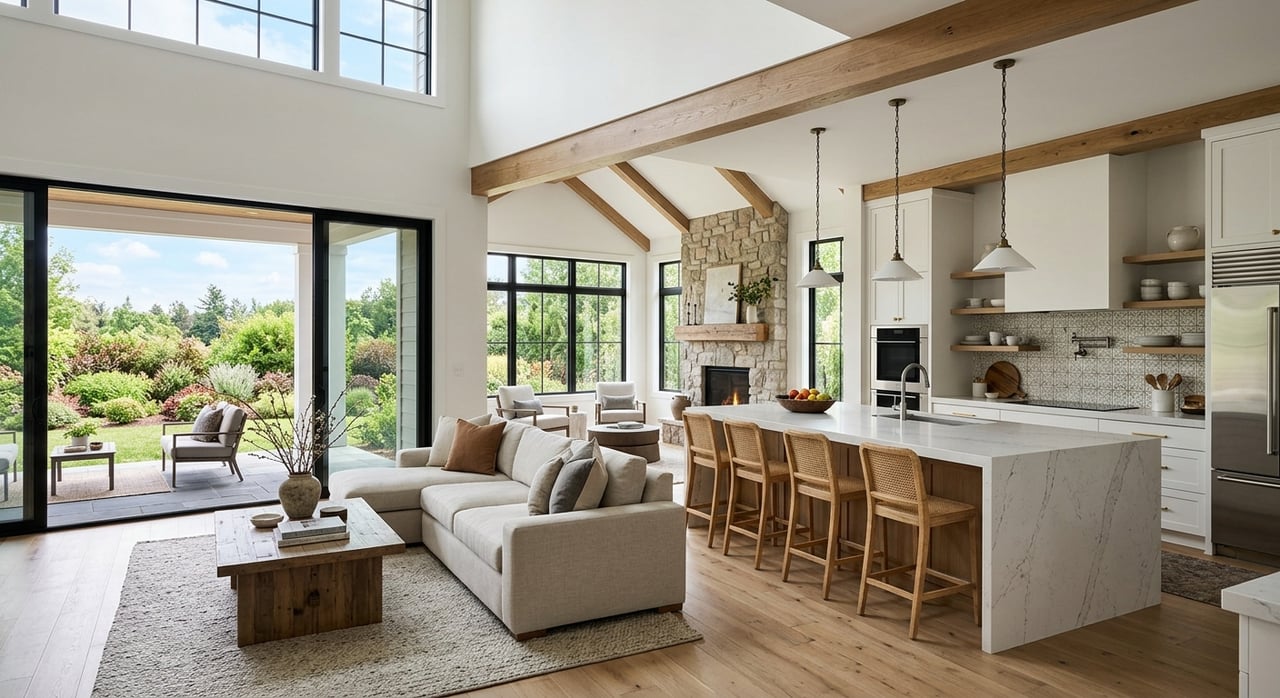
That mix gives buyers more ways to match homeownership with lifestyle. If you want lower-maintenance living near shops and restaurants, attached housing or a condo-style setup may be the better fit than a larger single-family property.
For downsizers, rightsizers, and buyers who want less upkeep, this is one of the strongest parts of the downtown story. The area is built to support a more connected, lower-maintenance lifestyle than many traditional suburban neighborhoods.
Costs and expectations to keep in mind
Lifestyle areas often come with pricing tradeoffs, and Downtown Littleton is no exception. A current rental guide reported average rents of $1,663 for a one-bedroom and $2,115 for a two-bedroom in April 2026.
For ownership context, Redfin reported Littleton’s median sale price at $635,000 in March 2026, down 1.2% year over year. That citywide figure does not define every downtown property, but it does help frame the broader market.
In practical terms, many downtown buyers are prioritizing location, walkability, and maintenance level over maximum square footage. If that sounds like your priority list, the tradeoff may feel worthwhile.
Who Downtown Littleton tends to suit best
Downtown Littleton can make sense for a few different kinds of buyers and renters. It is especially appealing if you value being close to dining, events, and transit, or if you want a home that supports a more flexible daily routine.
It may be a strong fit if you are:
- Downsizing into a condo, townhome, or other lower-maintenance home
- Relocating and want a neighborhood with a clear sense of place
- Looking for easier access to local shops, restaurants, and community events
- Interested in transit connections to Denver and other parts of the metro
- Drawn to historic character and a more walkable setting
It may be less ideal if your top priority is a large yard, maximum interior space for the price, or a quieter suburban street pattern farther from activity.
How to evaluate Downtown Littleton for yourself
If you are seriously considering a move here, try to experience the area in more than one way. Visit during a weekday morning, a weekend afternoon, and an event day if possible.
Pay attention to how far you are comfortable walking for daily needs, how parking feels at different times, and whether the level of activity matches your preferences. Downtown neighborhoods can feel very different depending on the block and housing type.
You should also compare the available housing options carefully. In Downtown Littleton, your lifestyle fit may depend as much on building style, maintenance level, and street location as it does on price alone.
If you are weighing a move to Downtown Littleton, selling a current home, or trying to decide whether a condo, townhome, or house is the right next step, Derek Rinetti can help you sort through the options with calm, local guidance.
FAQs
Is Downtown Littleton walkable for daily life?
- Yes. Local tourism and city planning sources describe it as pedestrian friendly, and the area includes shops, restaurants, transit access, bike connections, and a supermarket within a short walk.
What types of homes are common in Downtown Littleton?
- Downtown Littleton includes mixed-use buildings, residences above shops, smaller-lot detached homes, townhomes, brownstones, apartments, and condos.
How do residents commute from Downtown Littleton?
- Many residents use the RTD Littleton/Downtown Station, which serves the D Line, several bus routes, and FlexRide service, along with bike routes and car access.
Does Downtown Littleton have enough parking?
- Downtown includes on-street parking and public parking options, and city planning documents note that parking capacity generally exists within one block of most downtown destinations.
What gives Downtown Littleton its small-town feel?
- The strongest factors are its historic architecture, concentrated Main Street business mix, walkable public spaces, recurring events, and the self-guided historic walking tour.